
How to Win at Hospo in 2026: An Australian Survival Guide
What's In This Post
- The New Reality: Understanding Your Customer in 2026
- Back to Basics: The Strategy That's Actually Working
- The Non-Negotiable: Consistency and Quality
- Positioning in Your Local Market: Three Approaches That Work
- The Path Forward: Adapting Without Losing Your Identity
- How Sustainable Packaging Supports Your Value Strategy
- Finding Your Balance
- FAQs
The Australian hospitality industry is navigating one of its most challenging periods in recent memory. Between global supply chain disruptions, shifting customer behaviour, and persistent cost-of-living pressures, it's harder than ever to know exactly how to adapt your business to a rapidly changing market. But here's the good news: some venues are not just surviving—they're thriving. We've been chatting to our busiest customers across Australia to find out what's working for them and how to win at hospo in 2026. The answer might surprise you with its simplicity.
The New Reality: Understanding Your Customer in 2026
The Australian consumer has fundamentally changed. Most customers are laser-focused on saving money to combat ongoing cost-of-living pressures and ensure they can make their mortgage or rent payments. Others are changing their spending habits entirely, cutting discretionary spending or trading down to more affordable options.
This shift demands close attention. Watch carefully who's buying what, and more importantly, why.
The Disappearing Regular
Consider this familiar scenario: A customer who used to come in for coffee and a sit-down breakfast 2-3 days per week has dropped to once a week—or disappeared entirely. The family that ordered takeaway dinner multiple times per month now cooks at home. If you've noticed these customers dropping off recently, you're not alone.
The question is: how do you bring them back without sacrificing your margins?
Back to Basics: The Strategy That's Actually Working
After speaking with dozens of successful operators across Australia, one theme emerged consistently: it's all about focusing on the basics.
Presenting a compelling value proposition to the customers who are still spending is critical—but it's difficult when your menu is still designed for a pre-2024 economy. The venues winning in 2026 have adapted their approach without compromising quality.
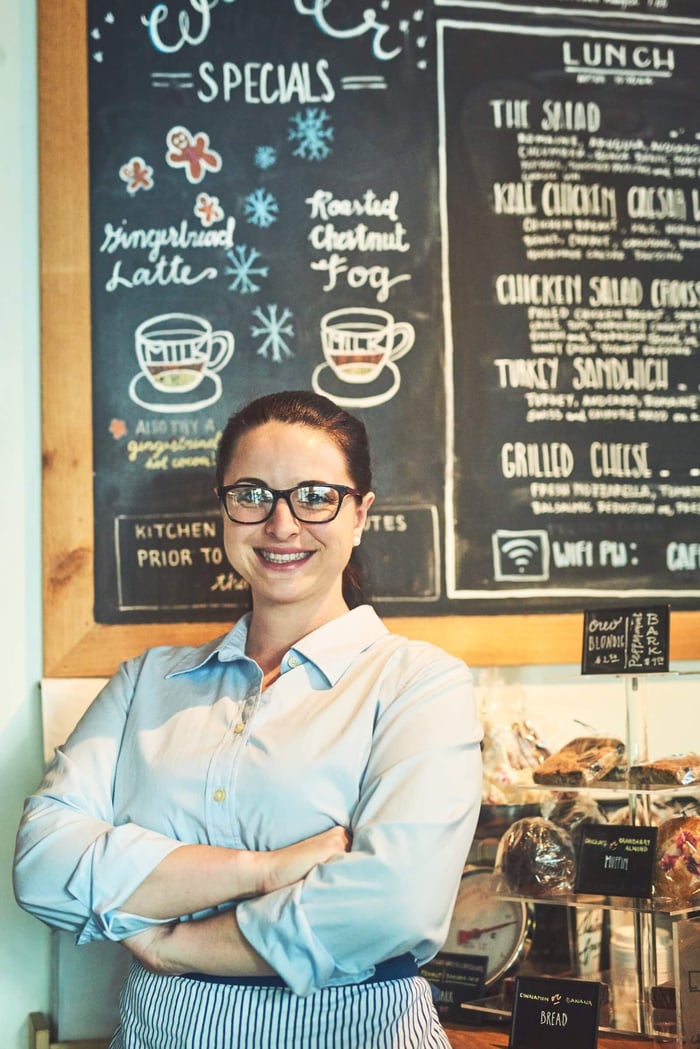
Strategy 1: Smart Specials That Protect Your Margins
Weekly specials aren't new, but the approach has evolved. The smartest operators are:
Featuring high-margin items at strategic discounts – Identify your menu items with the best profit margins and build specials around them
Creating perceived value without deep discounting – A "special" doesn't always mean slashing prices; it can mean adding value through portion size, premium ingredients, or combo deals
Rotating offers to maintain interest – Weekly or fortnightly changes keep regulars coming back to see what's new
This approach allows customers to choose your business instead of going to competitors, while protecting your bottom line.
Strategy 2: Loyalty That Actually Drives Repeat Business
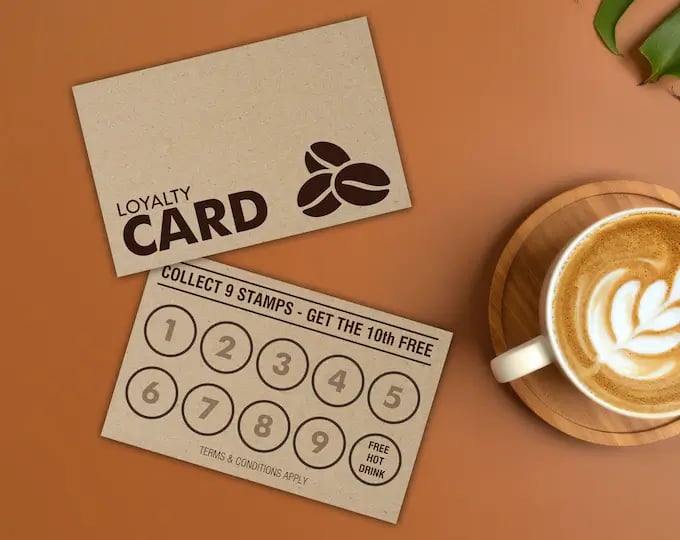
Periodic rewards for repeat customers are proving more effective than ever. Whether it's a simple stamp card, a digital loyalty program, or exclusive "regulars only" deals, giving customers a reason to return consistently builds the habit you need.
The key is making it simple and genuinely rewarding—not a complicated points system that requires a PhD to understand.
Both strategies are essential to win at hospo in 2026.
The Non-Negotiable: Consistency and Quality
Here's where many venues stumble: they offer a deal, then quietly swap out components for cheaper substitutes or noticeably reduce portion sizes to protect margins.
This is a fatal mistake.
Customer satisfaction must remain consistent and reliable, or they'll go elsewhere—and they won't come back. Just because you're offering a special doesn't give you permission to compromise on quality. In fact, the opposite is true: your specials need to over-deliver to convert occasional visitors into regulars.
Positioning in Your Local Market: Three Approaches That Work
To win at hospo in 2026 is about being the first thing customers think of when their fridge is empty, they've run out of time to cook breakfast, pack a lunch, or make dinner. This becomes most relevant when positioning yourself amongst other local options.
If the café down the road is doing aggressive breakfast deals to get people in the door, you have two choices: compete directly with that strategy, or offer something different.
No one wants to get caught in a race to the bottom. But often, keeping business as steady as possible to ride out these tough times means you keep the doors open until conditions improve again—and they will.
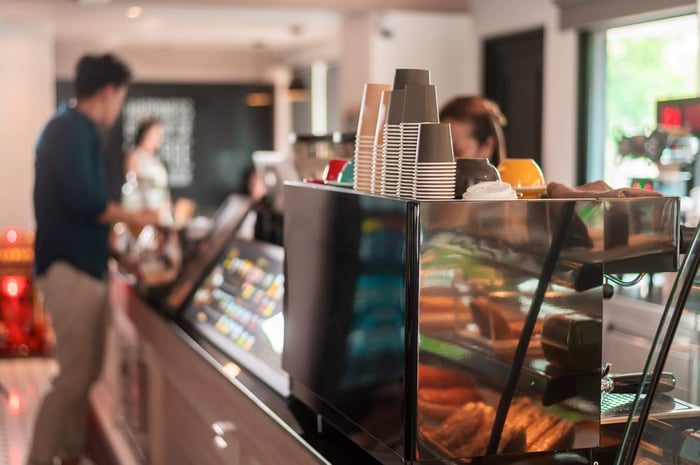
Example A: The Local Coffee Shop Strategy
The Situation: Competing with multiple cafés in a busy suburban strip.
The Approach: Rather than competing on coffee price (a race to the bottom), this operator focused on:
Exceptional, consistent coffee quality that justifies a premium
A rotating "locals breakfast" special featuring high-margin items
A simple loyalty program: buy 5 coffees, get the 6th free
Building community through knowing regulars' names and orders
The Result: While foot traffic decreased industry-wide, their regular customer base remained stable, and average transaction value increased through strategic upselling.
Example B: The Takeaway Restaurant
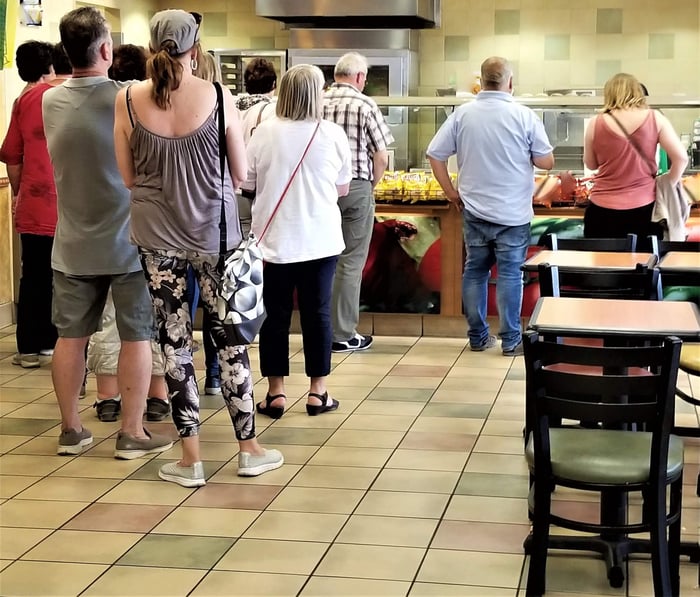
The Situation: Families cutting back on takeaway frequency.
The Result: Customer visit frequency decreased, but average order value increased significantly. Total revenue remained stable with lower operating costs.
The Approach: This operator recognised that families were still ordering takeaway—just less frequently. Their strategy:
"Family feast" bundles offering better value than individual dishes
Tuesday night specials targeting the mid-week dinner gap
Portion sizes designed for leftovers, extending the value
Streamlined menu focusing on their most popular (and profitable) dishes
 Example C: The Event-Based Food Truck
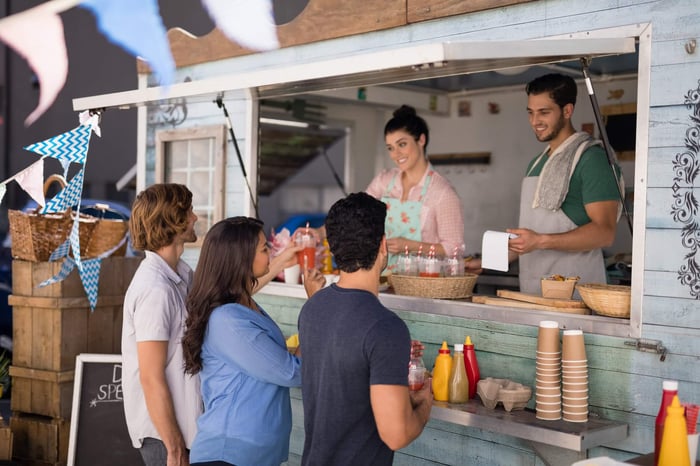
The Situation: Unpredictable event attendance and increased competition.
The Approach: This operator adapted by:
Diversifying beyond events: adding regular weekly spots at business parks for lunch
Building a social media following to drive customers to their locations
Offering pre-order options to reduce waste and guarantee sales
Creating "truck exclusive" menu items not available elsewhere
The Result: More predictable revenue streams, reduced waste, and a loyal following that seeks them out regardless of location.
The Path Forward: Adapting Without Losing Your Identity
The hospitality businesses winning in 2026 share common traits:
They know their numbers – Understanding which menu items drive profit allows strategic discounting
They watch their customers closely – Adapting to changing behaviour before it's too late
They maintain quality religiously – Never compromising on the fundamentals that built their reputation
They communicate value clearly – Making sure customers understand what they're getting
They stay flexible – Testing, measuring, and adjusting strategies based on results
How Sustainable Packaging Supports Your Value Strategy
While you're working hard to deliver value and maintain margins, there's one area where you can actually improve both your bottom line and your brand positioning: sustainable packaging.
At Planet Friendly Packaging, we've seen firsthand how the right packaging choices support the strategies outlined above—without adding unnecessary costs to your operations.
The Smart Economics of Eco-Friendly Packaging
Many hospitality operators assume sustainable packaging means higher costs. But in 2026, the economics have shifted. Our compostable takeaway containers and biodegradable coffee cups are competitively priced, and when you factor in the brand value they create, they often deliver better ROI than conventional alternatives.
Here's why it matters to your survival strategy:
1. Differentiation Without Price Competition
When you're competing against other local venues, sustainable packaging gives you a point of difference that doesn't require slashing prices. Customers—especially younger demographics—actively seek out businesses that align with their values. Using BioPak certified compostable packaging signals that you care about more than just the bottom line.
2. Premium Positioning for Takeaway
If you're pivoting toward takeaway and delivery (like many successful venues in 2026), your packaging is your storefront. Quality eco-friendly packaging elevates the perceived value of your offering, allowing you to maintain premium pricing even when customers aren't dining in.
3. Operational Efficiency
Our customers report that streamlining to a core range of sustainable packaging actually simplifies inventory management and reduces waste. With free delivery on 4+ cartons to metro areas and competitive volume pricing, you can stock what you need without tying up capital.
4. Customer Loyalty Through Shared Values
Remember those "disappearing regulars" we discussed? When they do choose to spend, they're increasingly choosing businesses that reflect their values. Sustainable packaging isn't just good for the planet—it's good for building the kind of emotional connection that drives repeat business.
Making the Switch Without Breaking the Bank
We understand that every dollar counts in 2026. That's why we offer:
10% off your first order (use code: PFP10)
Volume discounts that scale with your business
Free delivery: 4+ cartons to metro areas
Fast turnaround: 1-2 days metro, 2-3 days non-metro
Whether you need coffee cups and lids, takeaway containers, or a complete packaging solution, we're here to help you make the transition smoothly.
The venues thriving in 2026 aren't just focusing on what they serve—they're thinking about how they serve it. Sustainable packaging is one more way to deliver on your value proposition while protecting your margins and building customer loyalty.
Explore our full range of eco-friendly packaging solutions →
Finding Your Balance
There's no one-size-fits-all solution. The balance that's right for your business within your local market depends on your unique circumstances, customer base, and competitive environment.
But the fundamentals remain constant: deliver consistent quality, present genuine value, build loyalty, and stay close to your customers' changing needs.
The venues that navigate the year successfully won't be the ones with the lowest prices or the flashiest concepts. They'll be the ones that understand their customers, protect their margins intelligently, and execute the basics flawlessly, day after day to win at hospo in 2026.
The Australian hospitality industry has weathered challenges before. By focusing on what matters most—your customers and your fundamentals—you'll not only survive 2026, but position yourself to thrive when conditions improve.
What strategies are working for your venue in 2026? The hospitality community is stronger when we share what's working. Keep focusing on the basics, stay close to your customers, and remember: this too shall pass.
Check out some of our other related content:
Tapping into the Silver Economy: How Aussie Hospo Venues Can Thrive During the Cost of Living Crunch
Top Hospitality Business Survival Strategies for 2025
Customer Loyalty Programs That Drive Repeat Business
FAQs
How can Australian cafes and restaurants survive the 2026 cost-of-living crisis?
Focus on the fundamentals: maintain consistent quality, create smart specials using high-margin menu items, implement simple loyalty programs, and watch customer behaviour closely. The key is presenting genuine value without compromising on quality or racing to the bottom on price.
What are the best marketing strategies for hospitality businesses in 2026?
The most effective strategies include weekly rotating specials featuring high-margin items, simple loyalty rewards programs (like stamp cards or "buy 5 get 1 free"), building community through personalised service, and strategic positioning against local competitors. Focus on being the first choice when customers decide to eat out.
How do I attract customers back to my cafe or restaurant during tough economic times?
Understand why they left first—most customers are reducing frequency, not eliminating dining out entirely. Offer strategic value through family bundles, mid-week specials, or loyalty rewards. Make sure your specials over-deliver on quality to convert occasional visitors into regulars. Never reduce portion sizes or swap ingredients to save money on specials.
Should I compete on price with other local hospitality venues?
Not necessarily. You have two options: compete directly with similar pricing strategies, or differentiate by offering something unique. The smartest operators focus on value perception rather than lowest price—through better quality, larger portions, combo deals, or superior service. A race to the bottom helps no one.
What menu items should I feature in specials to protect my profit margins?
Identify your highest-margin menu items and build specials around those. This might include dishes with lower food costs, items that use seasonal ingredients, or menu items that can be prepared efficiently. Rotate these specials weekly or fortnightly to maintain customer interest while protecting your bottom line.
How can I tell if my hospitality business strategy is working in 2026?
Track these key metrics: regular customer retention rates, average transaction value, customer visit frequency, and profit margins on promotional items. Successful venues in 2026 are seeing stable regular customer bases with increased average spend, even if overall foot traffic has decreased.
What loyalty programs work best for small cafes and restaurants?
Simple, easy-to-understand programs work best. Traditional stamp cards, "buy 5 get 1 free" offers, or exclusive "regulars only" specials outperform complicated points systems. The key is making it immediately rewarding and easy to track—customers shouldn't need an app or complex calculations to understand their benefit.
How can food trucks succeed in the current Australian hospitality market?
Diversify beyond events by securing regular weekly spots (like business park lunches), build a strong social media following to drive customers to your locations, offer pre-orders to reduce waste and guarantee sales, and create "truck exclusive" menu items. Predictable revenue streams are crucial in 2026.
What's the biggest mistake hospitality venues make when offering specials?
Reducing quality, swapping ingredients for cheaper substitutes, or noticeably cutting portion sizes to protect margins. This is fatal—customers will notice and won't return. Your specials must maintain or exceed your normal quality standards to build trust and convert one-time visitors into regulars.
How has Australian customer behaviour changed in 2026?
Customers are visiting less frequently but often spending more per visit. They're focused on value and making every dining-out occasion count. Many former regulars (2-3 visits per week) have dropped to once weekly or occasional visits. They're choosing carefully where to spend, making consistency and value perception critical.
What should I do if my regular customers have stopped coming in?
First, understand they likely haven't stopped dining out entirely—they've just reduced frequency. Implement targeted strategies: loyalty rewards to encourage return visits, mid-week specials to capture off-peak spending, family bundles for better perceived value, and maintain exceptional quality so you're their first choice when they do decide to eat out.
How do I balance offering value with maintaining profitability?
Focus on high-margin items for specials, create perceived value through bundling or premium ingredients rather than deep discounting, streamline your menu to focus on profitable items, reduce waste through pre-orders or smaller menus, and use loyalty programs to increase visit frequency rather than slashing prices across the board.